
Bringing EFTPOS to NSW CityRail Booking Offices in 1994
How do we introduce EFTPOS without rebuilding every booking office in NSW?
by Glyn Calluthers – Software Engineer
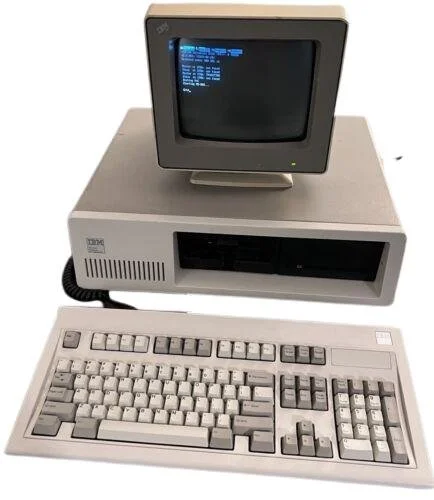
IBM Industrial XT Desktop Computer
In 1994, NSW CityRail wanted to introduce EFTPOS into its booking offices, allowing passengers to pay for tickets using debit and credit cards instead of cash. While this seems commonplace today, integrating EFTPOS into an existing ticketing system presented several technical and physical challenges.
The Project Lead assigned Calluthers responsibility for the ongoing maintenance and enhancement of the C-based software running on the IBM Industrial XT-based Booking Office Machines (BOMs).
The BOMs were used by CityRail’s tellers to collect cash and issue the mag-stripe tickets. The BOM PC itself interfaced to Cubic’s own mag-stripe ticket printer/encoder, a receipt printer and a patron facing display.
Let’s take a step back in time to see what changed.
After being handed over the software maintenance from the US, Calluthers managed to resolve major software defects and cleared all remaining defects through working collaboratively with the State Rail Authority (SRA) of NSW. This close collaboration included co-locating Cubic engineers within CityRail's Pitt Street offices, where Cubic and SRA staff worked side by side to develop, test and validate software enhancements and defect corrections.
The original software supplied by Cubic's US headquarters made use only of the standard memory configuration available to the Booking Office Machines. The Australian development team enhanced the software to take advantage of additional memory available on later hardware platforms, significantly reducing disk I/O and improving overall system performance. These improvements proved timely when CityRail commissioned the addition of EFTPOS capability, for which Calluthers was assigned as the software engineer.
The real challenge wasn't connecting an EFTPOS terminal to the computer. It was the physical layout of every booking office. The BOM resided behind a security glass window that the station office attendant sat behind. The stainless-steel bench had a dipped recess that allowed the cash and tickets to be passed through. How were we to enable customers to enter their PIN and still provide the required banking receipt without changing the physical design of every booking office?
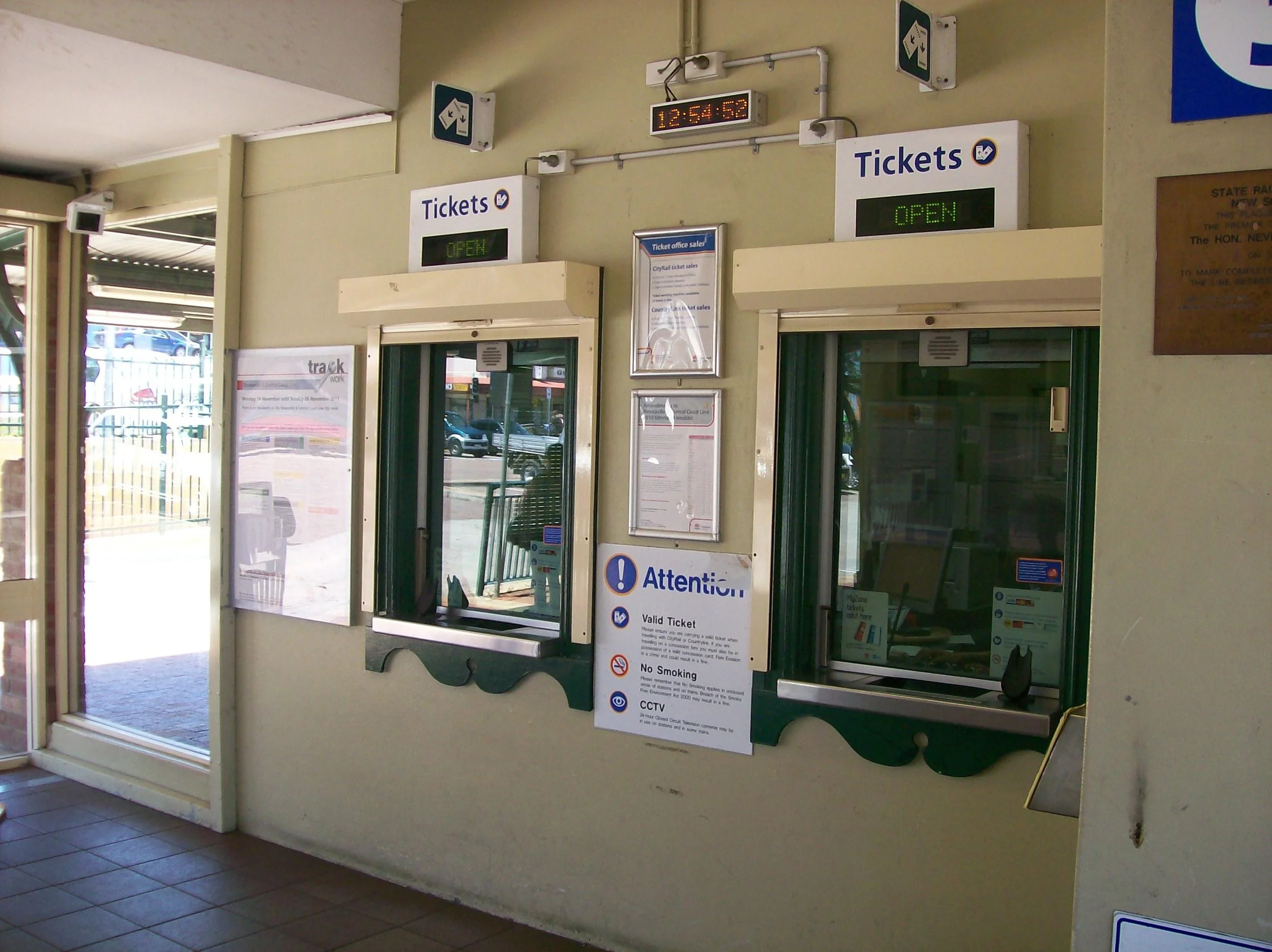
CityRail’s Booking Office Windows
After evaluating the available options, the Keycorp K2 terminal was selected because its compact, low-profile design could fit beneath the booking office security window, while its separate PIN pad provided privacy during PIN entry. Equally important, the unit could be integrated directly with third-party computer systems and communicate with the banking network for transaction authorisation.
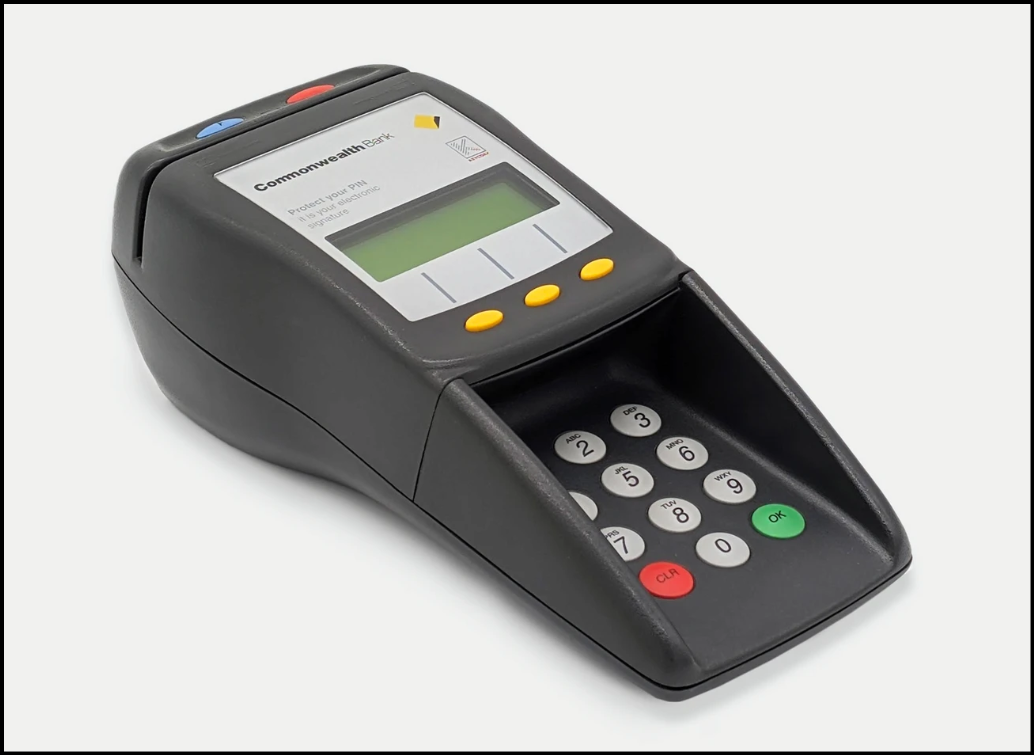
Keycorp K2 EFTPOS terminal
Rather than purchasing the optional Keycorp K24 printer, the solution took advantage of the K2 terminal's ability to operate in POS-controlled printing mode. The terminal returned the transaction details to the Booking Office Machine, allowing the existing Epson receipt printer to produce both the customer receipt and the banking transaction record.
The software development integrated the BOM to the Keycorp terminal which in-turn communicated to the nominated bank to confirm the authorisation of the payment. The terminal would then pass all the necessary authorisation information back to the BOM where it would then take that information to print the banking receipt on the Epson printer immediately before the Cubic printer issued the mag-strip ticket.
The completed solution allowed CityRail passengers to purchase tickets using debit and credit cards without requiring major modifications to station booking offices. By integrating EFTPOS into the existing booking office equipment, the project delivered a practical and cost-effective step towards cashless public transport.
Innovation
The innovation in this project did not come from the EFTPOS technology itself, but from adapting it to work within an existing operational environment. By reusing the Booking Office Machine's existing printer and avoiding costly structural modifications to station booking offices, the project demonstrated how thoughtful software integration could deliver a practical and economical solution.
"At the time, we were not aware that the concept of reusing the existing printer to produce the banking receipt instead of requiring a dedicated terminal printer was innovative for its era. We were simply trying to resolve the problem to meet the customer’s needs"
— Glyn Calluthers
Project Summary
Year: 1994
Customer: NSW State Rail Authority (CityRail)
Company: Cubic Transportation Systems Australia
Role: Software Engineer
Technology: IBM Industrial XT/286, Keycorp K2, C, DOS
Innovation: Integrated EFTPOS using the existing receipt printer without modifying booking office infrastructure.